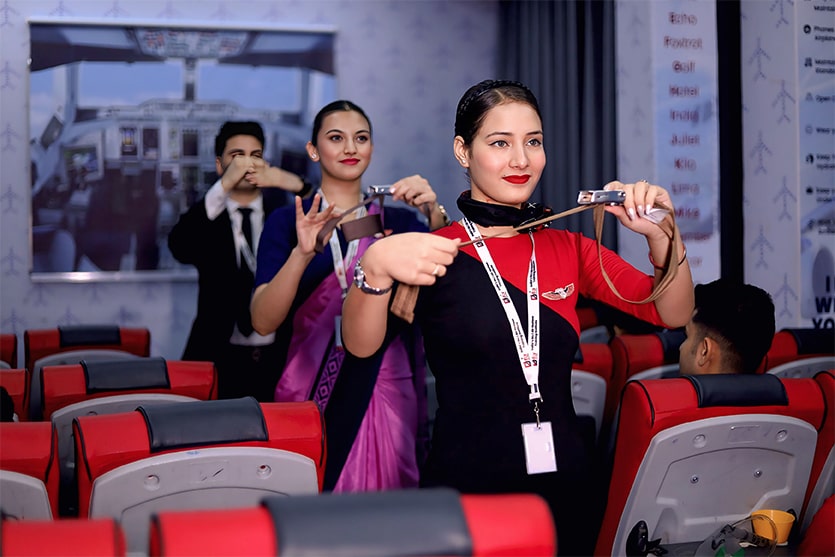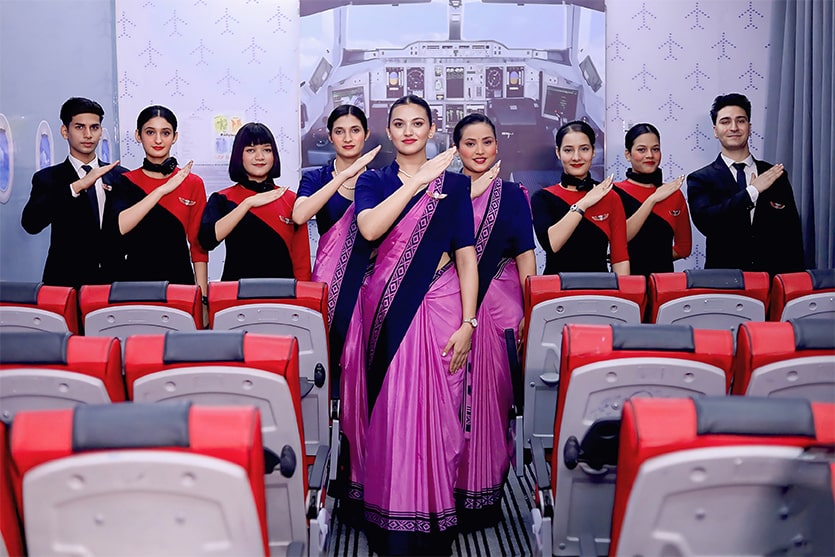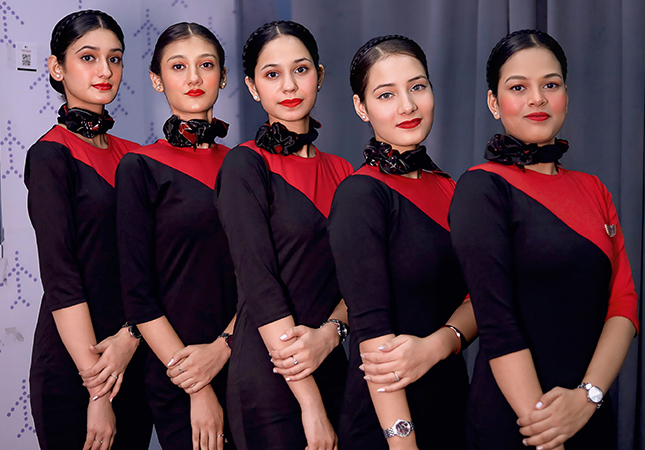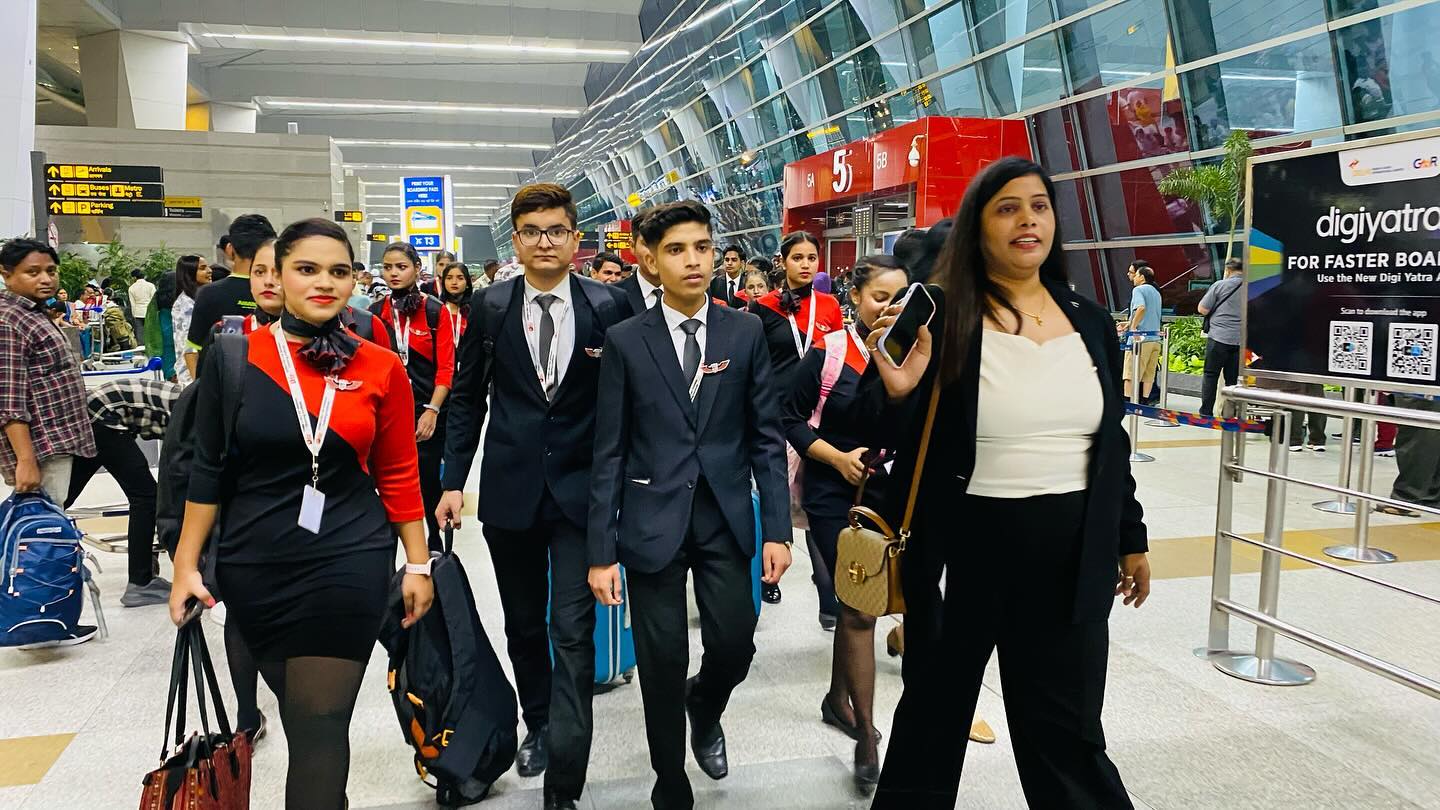
When people think about the aviation industry, the first careers that usually come to mind are pilots and air hostesses. However, the industry offers a much wider range of professional opportunities than many students realise.
Airlines, airports, hotels, travel companies and hospitality organisations depend on trained professionals to manage operations, assist passengers, deliver customer service and create a smooth travel experience.
From becoming a commercial pilot or cabin crew member to working in airport operations, hotel management, travel services and customer relations, students can explore different career pathways according to their interests and qualifications.
India’s aviation and travel ecosystem continues to develop, creating opportunities across multiple connected service industries. For students planning their future after school or graduation, understanding these career options can help them choose the right professional training.
Dfly International provides training programmes across aviation, cabin crew, airport management, hospitality, customer service, travel and tourism, and professional grooming. This guide explains the different career areas, the skills they require and the training options students can explore.
1. Understanding the Aviation and Travel Industry
The aviation industry is a large professional ecosystem involving airlines, airports, aviation training, passenger services, flight operations and other supporting services.
It is also closely connected with hospitality and tourism because passengers require services before, during and after their journeys.
Some of the major sectors include:
Commercial aviation
Airline operations
Airport management
Cabin crew services
Ground handling
Passenger services
Hotel and hospitality management
Travel and tourism
Customer relationship management
Each sector has different responsibilities, educational requirements and professional opportunities.
Students should understand these differences before selecting a course or planning their career.
2. Different Career Sectors Within Aviation
The industry offers career pathways for people with different interests and abilities.
A. Flight Operations and Pilot Careers
Students interested in aircraft, flying and aviation science can explore the commercial pilot training pathway.
This profession involves technical knowledge, flight preparation, aviation regulations, medical fitness and specialised practical training.
B. Airline Passenger Services
Airlines require professionals who interact with passengers and support their travel experience.
Relevant roles include cabin crew, passenger service professionals and airline customer service executives.
C. Airport Operations
Airports depend on teams that support passenger movement, check-in assistance, boarding coordination, baggage services and airport administration.
D. Hospitality and Guest Services
Hotels and hospitality organisations require professionals who can manage guest interactions, front-office services, reservations and customer experiences.
E. Travel and Tourism
Travel businesses and tourism organisations require professionals who understand travel planning, customer assistance, tour coordination and destination services.
3. Careers in Airlines
Airlines are among the most visible parts of the aviation industry. However, airline operations involve many different departments beyond the flight deck and cabin.
Common Airline Career Areas
Cabin Crew
Cabin crew members assist passengers, provide onboard services and follow airline safety and emergency procedures.
Airline Customer Service
Customer service professionals assist passengers with enquiries, travel information and service-related concerns.
Passenger Service
Passenger-facing teams help travellers navigate airline services and airport processes.
Airline Operations Support
Operations support roles involve coordination, documentation and assistance with airline-related activities, depending on the employer and job profile.
What Skills Are Important?
Professional communication
Customer handling
Teamwork
Confidence
Problem-solving
Professional grooming
Time management
Students interested in airline careers can explore cabin crew, customer service and related aviation training programmes.
4. Careers in Airport Operations and Management
An airport is a complex operational environment where different teams work together to manage passenger services and daily activities.
Airport-related careers can involve:
Passenger service
Check-in assistance
Boarding gate support
Ground staff operations
Baggage service coordination
Airport customer service
Operations administration
What Does Airport Management Training Cover?
Depending on the programme, students may learn about airport operations, aviation fundamentals, passenger handling, customer service, communication and professional workplace behaviour.
Who Should Consider This Career?
Students who enjoy working with people, handling responsibilities and working in organised operational environments may consider airport management and ground staff-related career pathways.
Dfly International offers an Airport Management training programme for students interested in exploring this sector.
5. Pilot and Flight Operations Careers
A pilot career requires specialised education and licensing. It is different from general aviation and airport management training.
Students interested in becoming commercial pilots should understand the applicable regulatory requirements before beginning their training.
Important Steps in the Commercial Pilot Pathway
Meet the applicable educational requirements.
Understand the medical fitness requirements.
Prepare for the prescribed aviation examinations.
Complete the required theoretical ground preparation.
Undertake flight training through an appropriately authorised flying training organisation.
Complete the required flight experience and skill assessments.
Meet the relevant licensing requirements.
In India, students should verify the current commercial pilot licensing requirements with the Directorate General of Civil Aviation (DGCA).
Pilot training costs and duration depend on the training organisation, aircraft, flying hours, location and individual progress.
Dfly International students can enquire about the available pilot training programme and the scope of its ground-class and training guidance.
6. Cabin Crew and Passenger Service Careers
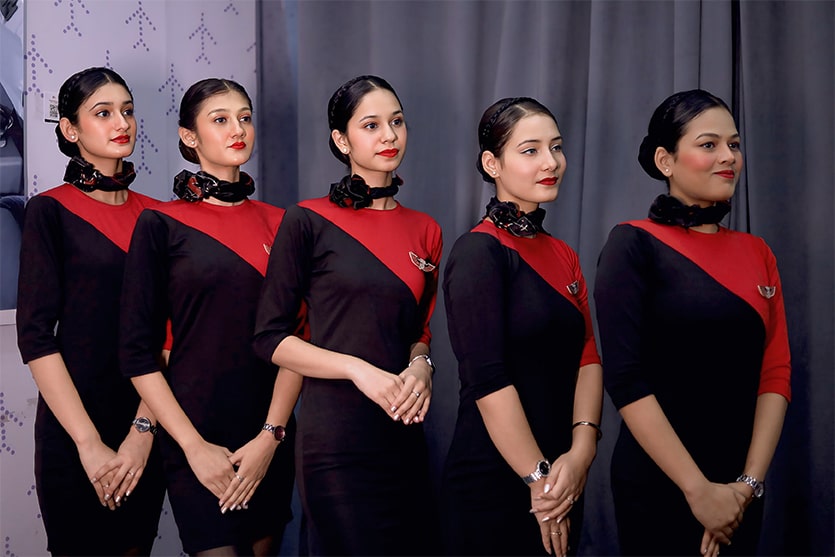
Cabin crew members play an important role in the airline passenger experience.
Their responsibilities include passenger assistance, onboard service, safety procedures and coordination with other crew members.
What Does Cabin Crew Training Include?
A professional training programme may introduce students to:
Airline industry fundamentals
Cabin crew duties
Passenger communication
In-flight service awareness
Safety and emergency procedures
First-aid fundamentals
Professional grooming
Teamwork
Interview preparation
Air Hostess and Flight Steward Opportunities
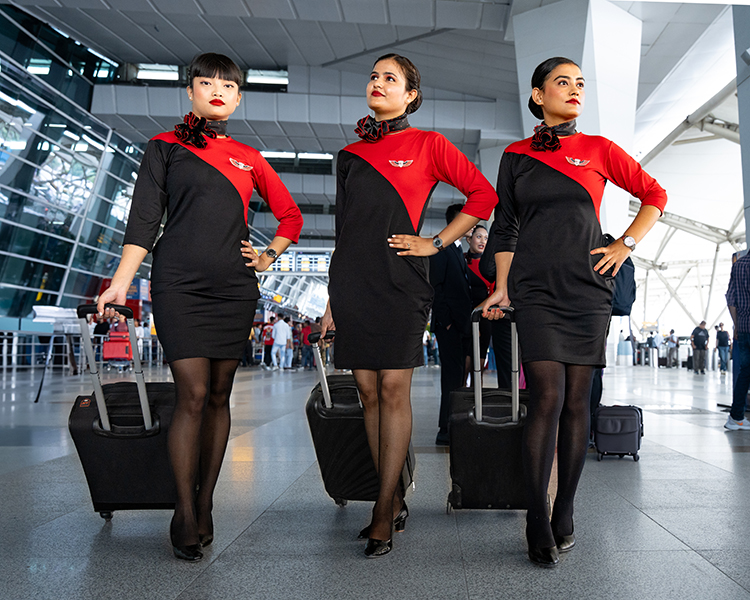
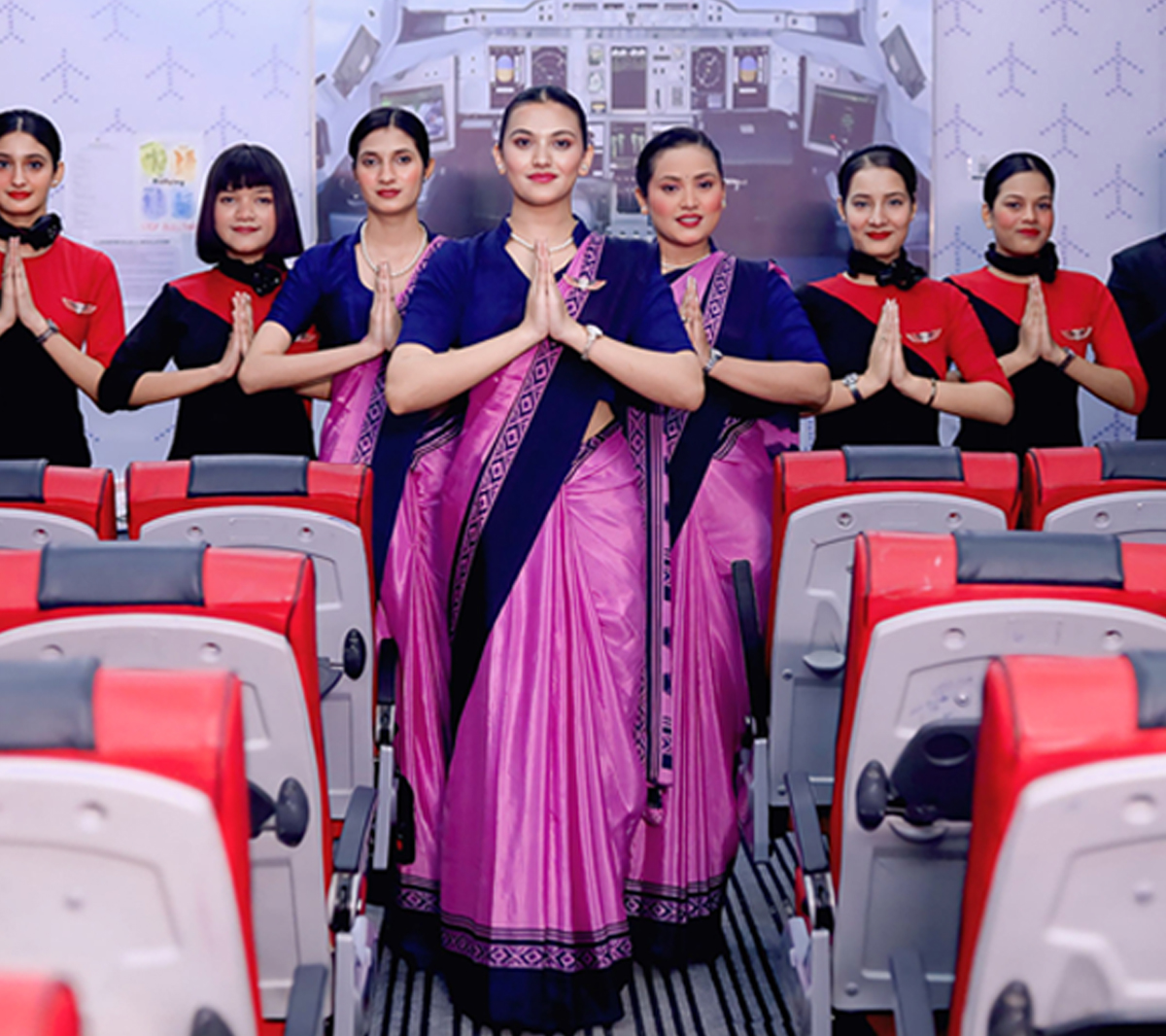
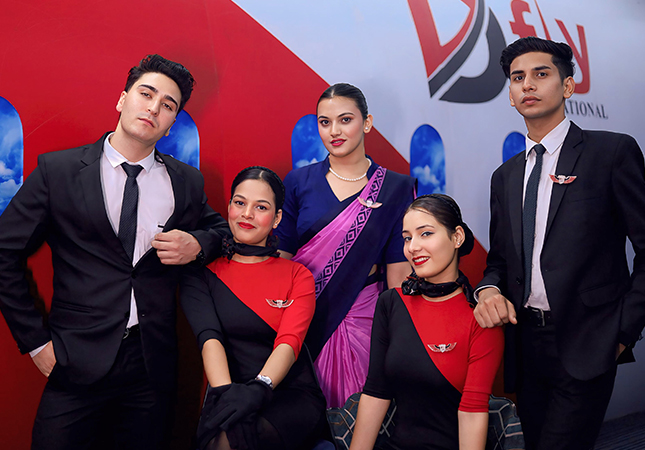
Air Hostess is a commonly used term for female cabin crew members. Male candidates can also pursue cabin crew careers as flight stewards, subject to airline recruitment criteria.
The recruitment requirements of airlines may differ according to education, age, communication skills, medical fitness and other selection conditions.
Students interested in this profession can explore Dfly International’s Cabin Crew training programme.
7. Hospitality and Hotel Management Careers
Hospitality is another important sector connected with aviation and tourism.
Hotels, resorts, restaurants and guest-service organisations depend on trained professionals to deliver quality service and maintain customer satisfaction.
Popular Hospitality Career Areas
Front Office Operations
Professionals assist guests with check-in, check-out, reservations and enquiries.
Guest Relations
Guest relations teams help customers with their requirements and support a positive guest experience.
Hotel Operations
Hotel operations involve coordination between departments and the management of day-to-day services.
Food and Beverage Services
This area focuses on service operations, customer interaction and food and beverage delivery.
Housekeeping Operations
Housekeeping teams help maintain cleanliness, comfort and service standards within hospitality establishments.
Skills for Hospitality Professionals
Communication
Professional etiquette
Customer handling
Team coordination
Problem-solving
Time management
Attention to detail
Students who enjoy working with people and creating positive customer experiences can explore hospitality management training.
8. Travel and Tourism Careers
Travel and tourism is a broad service industry involving travel planning, destination services, tour operations and customer assistance.
It is suitable for students who enjoy exploring destinations, interacting with people and organising travel experiences.
Career Options in Travel and Tourism
Travel Consultant
Tour Operations Assistant
Tourism Executive
Travel Customer Service Executive
Reservation Support
Tour Coordinator
What Can Students Learn?
A travel and tourism programme may cover:
Tourism industry fundamentals
Travel planning
Destination knowledge
Customer assistance
Tour coordination
Travel documentation awareness
Communication and service skills
The exact responsibilities of each role depend on the employer and the candidate’s qualifications.
9. Customer Service and Professional Grooming
Customer service is an essential skill across aviation, airports, hotels and tourism.
Professionals regularly interact with customers, understand their needs and help resolve service-related concerns.
Important Customer Service Skills
Active listening
Clear communication
Complaint handling
Problem-solving
Professional behaviour
Customer relationship management
Why Is Grooming Important?
Professional grooming and personality development help individuals build confidence and present themselves appropriately in professional environments.
Training may focus on:
Personal presentation
Body language
Communication
Interview preparation
Confidence building
Professional etiquette
Workplace discipline
Dfly International offers Customer Service and Grooming and Personality Development programmes for students interested in strengthening these skills.
10. Skills Required Across Aviation, Hospitality and Travel
Although different professions have different technical requirements, several professional skills are useful across these industries.
Communication Skills
Clear communication is important when interacting with passengers, guests, customers and colleagues.
Teamwork
Airline, airport and hotel operations depend on coordination between different teams.
Confidence
Confidence can help candidates during interviews, professional interactions and workplace responsibilities.
Customer Service
Understanding customer needs and responding professionally are important across service industries.
Time Management
Punctuality and effective time management help professionals work in structured operational environments.
Adaptability
Professionals often work with people from different cultures and backgrounds. Adaptability helps them respond to changing requirements.
11. How to Select the Right Career Path
Choosing a professional course should begin with understanding your interests and long-term career goals.
Consider the following factors before making a decision.
If you are interested in flying aircraft: Explore the commercial pilot licensing and training pathway.
If you enjoy passenger interaction and airline services: Consider cabin crew training.
If you are interested in airport operations: Explore airport management and ground staff-related programmes.
If you enjoy hotels and guest services: Consider hospitality management.
If you enjoy travel planning and destinations: Explore travel and tourism.
If you want to improve communication and customer handling: Consider customer service and professional grooming programmes.
Before enrolling, compare course curriculum, eligibility, fees, duration, training facilities and the actual services offered by the institute.
12. Explore Professional Training Courses at Dfly International
Dfly International offers different professional training programmes for students interested in aviation, hospitality, travel and related service industries.
Students can explore the following programmes:
Pilot Training
For students interested in understanding the commercial pilot pathway and relevant theoretical preparation.
Cabin Crew Training
For candidates interested in airline passenger services, cabin crew responsibilities and recruitment preparation.
Airport Management
For students interested in airport operations, ground staff and passenger services.
Hospitality Management
For candidates interested in hotel operations, guest relations and hospitality services.
Travel and Tourism
For students interested in travel services, tourism operations and customer assistance.
Customer Service
For candidates looking to develop communication, customer handling and professional service skills.
Grooming and Personality Development
For students who want to improve confidence, presentation, communication and interview readiness.
Explore the complete course directory:
https://dflyinternational.com/courses/
Students should confirm the course curriculum, duration, eligibility, fees and availability with the relevant Dfly centre before enrolment.
13. Dfly International Centres – Find a Centre Near You
Dfly International has a multi-location presence, with centre and campus information published on its official website.
Students can explore the relevant location page or contact the institute to confirm available courses and training arrangements.
Explore Dfly International Centres
North India
West and Central India
East India
South India
Visit the Dfly International Campus Directory to explore centre information and find the relevant location for your aviation and hospitality career guidance.
Students are encouraged to contact their preferred centre to confirm current course availability, training arrangements, admission requirements and counselling details before visiting.
Frequently Asked Questions
Students can explore pilot training, cabin crew, airport operations, passenger services, airline customer service and other aviation-related professional roles.
No. Aviation includes several professional areas such as airport management, ground staff, passenger services, airline operations and customer service.
Yes. Both industries involve customer experience, communication, professional service and passenger or guest assistance. Hospitality skills can also be useful in hotels, tourism and travel organisations.
Airport management focuses on airport operations and passenger services on the ground, while cabin crew members work onboard aircraft and assist passengers during flights while following airline safety procedures.
Students can explore hospitality programmes after Class 12, subject to the eligibility criteria of the selected course and institution.
Students must meet the applicable academic, medical, examination and flight-training requirements prescribed by the DGCA for the relevant licence.
Yes. Customer service skills are relevant to cabin crew, airport passenger services, airline support, hospitality and tourism-related professions.
Dfly International lists programmes in Pilot Training, Cabin Crew, Airport Management, Hospitality Management, Customer Service, Travel and Tourism, and Grooming and Personality Development.
Visit the official Dfly International Campus Directory to explore centre information and contact details.
Visit the official website, explore the Courses section and submit an enquiry or contact the relevant centre for guidance.
Take the First Step Towards Your Professional Career
Aviation, airlines, airports, hospitality and tourism offer different career pathways for students with different interests and ambitions.
The right career choice depends on your skills, qualifications, interests and willingness to develop professionally.
Whether you are interested in flying, airline passenger services, airport operations, hotel management or travel and tourism, understanding the available opportunities is the first step towards making an informed decision.
Explore the training programmes offered by Dfly International, speak with the counselling team and understand which course matches your career goals.
Explore Courses: https://dflyinternational.com/courses/
Find a Centre: https://dflyinternational.com/campus/
Contact Dfly International: https://dflyinternational.com/contact-us/
Dfly International – Explore Your Interests. Develop Your Skills. Prepare for Your Career.